
Water and sewerage works are foundational elements of urban infrastructure, essential for ensuring public health and environmental sustainability. As cities expand and population densities increase, the importance of efficient and reliable water and sewerage systems cannot be overstated. In this blog post, we will explore key considerations for water and sewerage projects that support sustainable development, emphasizing innovative solutions and best practices.
1. Comprehensive Planning and Design
Effective water and sewerage management begins with comprehensive planning and design. Engineers must assess current and projected water usage, population growth, and environmental impacts to create systems that work efficiently over time. Integrated planning involves collaboration across various sectors, including environmental science, urban planning, and public health, to ensure that infrastructure meets the needs of communities while protecting natural resources.
2. Sustainable Water Resource Management
Sustainable practices in water resource management aim to balance the needs of the community with environmental preservation. Rainwater harvesting, greywater recycling, and water-efficient technologies are essential strategies that can significantly reduce demand on traditional water sources. Implementing these practices not only conserves water but also minimizes the impact on local ecosystems, contributing to more resilient urban environments.
3. Advanced Treatment Technologies
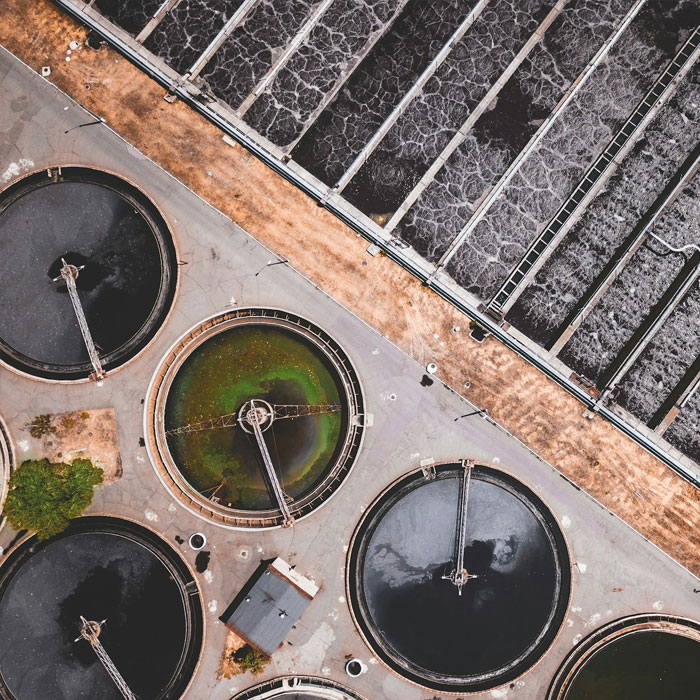
Water and sewerage systems must utilize advanced treatment technologies to ensure that wastewater is processed effectively and safely. Innovations such as membrane bioreactors, UV disinfection, and biological nutrient removal allow for more efficient treatment while reducing energy consumption and environmental impact. By investing in these technologies, municipalities can improve the quality of effluent released back into the environment, protecting public health and aquatic ecosystems.
4. Infrastructure Resilience and Maintenance
A resilient water and sewerage infrastructure is crucial for adapting to climate change and extreme weather events. Engineers must design systems that can withstand flooding, droughts, and other environmental challenges. Additionally, regular maintenance and monitoring are essential to ensure optimal performance. Implementing smart technologies, such as sensors and remote monitoring systems, allows for proactive maintenance practices, reducing downtime and costly repairs.
5. Community Engagement and Education
Community engagement plays a vital role in the success of water and sewerage works. Involving local stakeholders in the planning and decision-making process not only fosters transparency but also ensures that the infrastructure meets the specific needs and preferences of the community. Education programs can raise awareness about the importance of water conservation, pollution prevention, and proper wastewater disposal, encouraging residents to actively participate in sustainable practices.
6. Regulatory Compliance and Best Practices
Adhering to local, regional, and national regulations is crucial for the successful implementation of water and sewerage projects. Engineers must be aware of environmental regulations, health standards, and safety requirements to ensure compliance throughout the project lifecycle. Implementing industry best practices helps mitigate risks and enhances the sustainability of water management systems, ultimately benefiting the community and environment.
Effective water and sewerage works are integral to sustainable development and public health. By focusing on comprehensive planning, sustainable resource management, advanced treatment technologies, resilience, community engagement, and regulatory compliance, engineers can design systems that not only serve current needs but also protect future generations. At Nyaksim Properties, we are committed to delivering innovative and sustainable water and sewerage solutions that contribute to healthier and more resilient communities. Join us as we continue to transform urban infrastructure for a brighter, more sustainable future.